Your roof is a vital component of your home, shielding you and your loved ones from the elements. To ensure your roof remains in top shape, it’s crucial to recognize common roofing issues and know how to address them effectively. In this guide, we’ll provide you with expert tips on how to tackle common roofing problems like a pro.
Conduct Regular Roof Inspections:
The first step in maintaining a healthy roof is to conduct regular inspections. These inspections are especially crucial after severe weather events, such as hailstorms or hurricanes. Here’s what you should look for during your roof inspections:
- Missing or Loose Shingles: Damaged, missing, or loose shingles can expose your roof to potential damage.
- Cracked or Broken Shingles: Shingles with cracks or breakage need immediate attention.
- Damaged Flashing: Faulty flashing around roof penetrations can cause leaks.
- Loose or Clogged Gutters: Gutters that are clogged or not securely attached can lead to water pooling on your roof.
- Water Pooling: Water accumulation on the roof can lead to damage, so it’s crucial to address it promptly.
- Sagging or Bowing Roof Decking: These signs could indicate structural issues that need immediate repair.
If you spot any of these problems during your inspection, it’s best to hire a qualified roofing contractor to address them.
Fix Leaks Immediately
Roof leaks are among the most common roofing issues and should never be ignored. They can cause significant damage to your home if left untreated. If you identify a leak, take these steps:
- Identify the Source: Pinpoint the source of the leak as accurately as possible.
- Prompt Repair: Repair the leak as soon as you can. If you’re not confident in your repair skills, call a professional roofer to handle it.
Address Ventilation Issues:
Proper ventilation is critical for maintaining your roof’s health. Inadequate airflow can result in moisture buildup in the attic, leading to mold and rot. If you’re experiencing ventilation issues, consider these steps:
- Install Additional Vents: You may need to add more ventilation to improve airflow.
- Clean Existing Vents: Ensure your existing vents are free from blockages to promote proper ventilation.
- Improve Attic Insulation: Proper insulation can help maintain a consistent temperature in your attic and prevent moisture buildup.
Replace Damaged or Missing Shingles
Missing or damaged shingles can compromise your roof’s integrity. If you encounter these issues, act swiftly:
- Immediate Replacement: Replace damaged or missing shingles immediately.
- Professional Assistance: If you’re unsure about how to replace shingles, hire a qualified roofer.
Clean Your Gutters Regularly:
Clogged gutters can impede proper water drainage, potentially leading to water pooling and leaks on your roof. Regularly cleaning your gutters is essential to prevent these issues.
Schedule Regular Roof Maintenance:
The most effective way to prevent expensive roofing repairs is by scheduling regular maintenance with a professional roofing contractor. They can:
- Inspect your roof for damage.
- Replace damaged or missing shingles.
- Clean your gutters.
- Perform other necessary repairs.
Additional Tips:
- For metal roofs, inspect for rust and corrosion. Sand down any rust spots and apply a rust-resistant coating.
- Shingle roofs should be inspected for hail damage, which can cause shingles to crack or blister. Replace damaged shingles promptly.
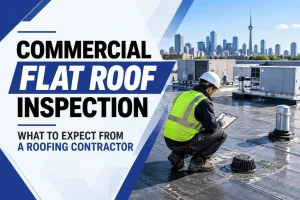
- Flat roofs should be checked for ponding water, as it can lead to leaks. If ponding water is detected, arrange for roof repairs or replacement.
By following these expert tips, you can effectively tackle common roofing issues like a pro and ensure the longevity of your roof for years to come. Regular maintenance and prompt action are your best allies in roof care.
FAQs
Q1: How often should a commercial or residential roof be inspected to catch issues early?
A1: Roofs should ideally be inspected at least twice a year, typically in the spring and fall, as well as after any significant weather events such as hailstorms, heavy snowfall, or high winds. Regular inspections allow you to identify issues like missing or damaged shingles, faulty flashing, clogged gutters, and signs of water pooling before they develop into serious problems. Scheduling professional inspections ensures that trained eyes are evaluating the roof’s condition with the thoroughness it deserves.
Q2: What should I do if I discover a roof leak?
A2: If you discover a roof leak, the most important step is to act quickly. The longer a leak goes unaddressed, the more damage it can cause to the interior of your building, including insulation, structural components, and finishes. First, try to identify the source of the leak as accurately as possible. If the leak is minor and you have the skills to make a temporary fix, do so to minimize water entry. However, calling a qualified roofing contractor to inspect and permanently repair the problem is always the safest and most reliable course of action.
Q3: Why is proper roof ventilation important and what happens when it is inadequate?
A3: Proper ventilation is essential for maintaining the health of your roofing system. Without adequate airflow, moisture can accumulate in the attic space, leading to mold growth, wood rot, and deterioration of roofing materials from the inside out. Inadequate ventilation also causes heat to build up in summer, which can warp and prematurely age roofing materials. Ensuring that vents are clean, unobstructed, and properly sized for the building is an important part of any comprehensive roof maintenance plan.
Q4: When is it appropriate to replace damaged shingles rather than repair the whole roof?
A4: Replacing individual damaged or missing shingles is appropriate when the damage is localized and the rest of the roof is in generally sound condition. If only a few shingles are cracked, broken, or missing due to a specific weather event, targeted replacement is a practical and cost-effective solution. However, if the damage is widespread, the shingles are consistently failing across the roof surface, or the roof has reached an advanced age, more extensive repairs or a full replacement should be considered. A professional roofing assessment will clarify the best approach.
Q5: How do clogged gutters contribute to roofing problems and how can I prevent this?
A5: Clogged gutters prevent water from draining properly away from the roof and building. When water cannot drain, it can back up onto the roof surface, seep under roofing materials, and cause leaks, rot, and structural damage over time. In winter, this standing water can freeze and create ice dams. Keeping gutters clear of leaves, debris, and sediment is one of the simplest and most effective maintenance tasks a property owner can perform. Cleaning gutters at least twice a year, and after storms, is strongly recommended.